Bengaluru — Royal Challengers
Captain Faf du Plessis · Vice-captain Virat Kohli · Six overseas in the playing XI · Coach Andy Flower.
In-form5 wins / 2 lossesNet run +0.422 injury watch
Each franchise card surfaces captain, vice-captain, the Indian/overseas split, and the injury list as visible chips. No buried prose.
Captain Faf du Plessis · Vice-captain Virat Kohli · Six overseas in the playing XI · Coach Andy Flower.
Captain Ruturaj Gaikwad · Vice-captain Ravindra Jadeja · Spin-led structure · Coach Stephen Fleming.
Captain Shreyas Iyer · Vice-captain Andre Russell · All-rounder heavy · Coach Chandrakant Pandit.
Captain Sanju Samson · Vice-captain Yashasvi Jaiswal · Young top-order · Coach Rahul Dravid.
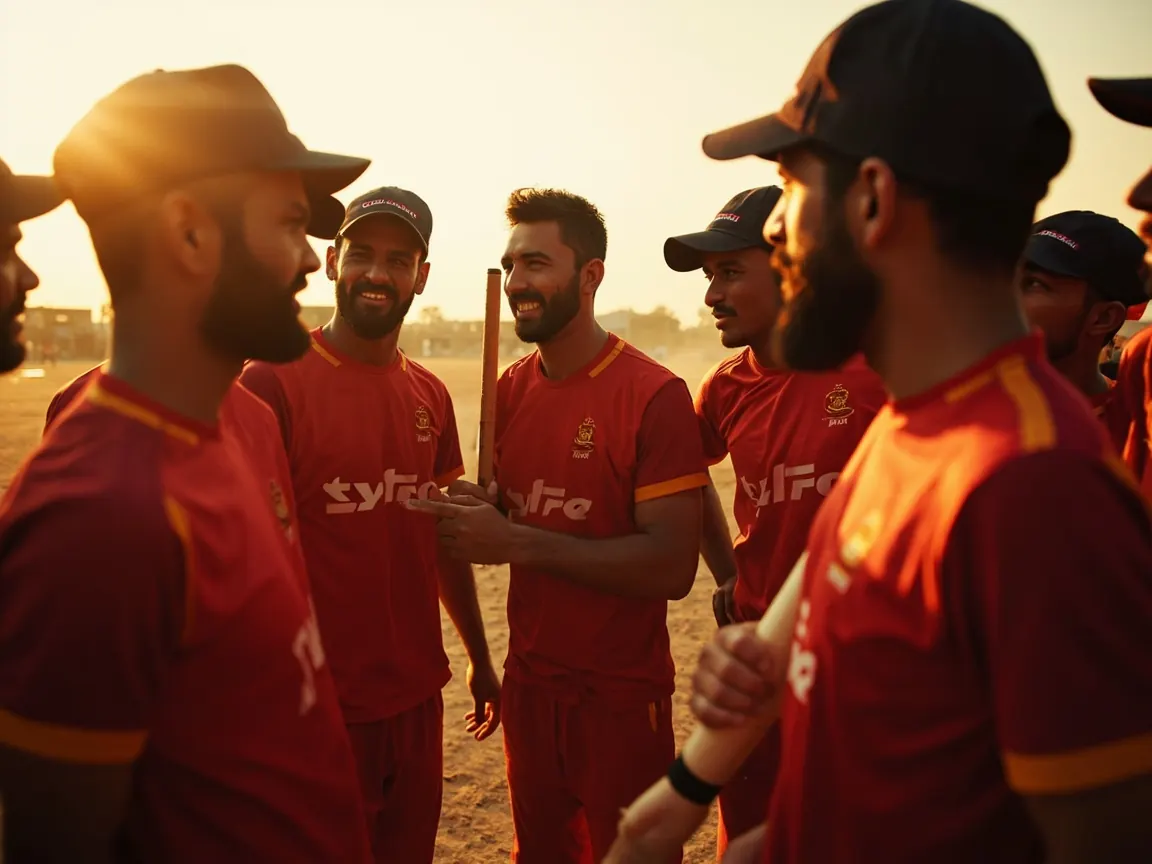
Captain Pat Cummins · Vice-captain Travis Head · Pace-heavy · Coach Daniel Vettori.
Captain Shikhar Dhawan · Vice-captain Liam Livingstone · Top-order heavy · Coach Trevor Bayliss.
Captain Hardik Pandya · Vice-captain Suryakumar Yadav · Five-bowler plan · Coach Mahela Jayawardene.
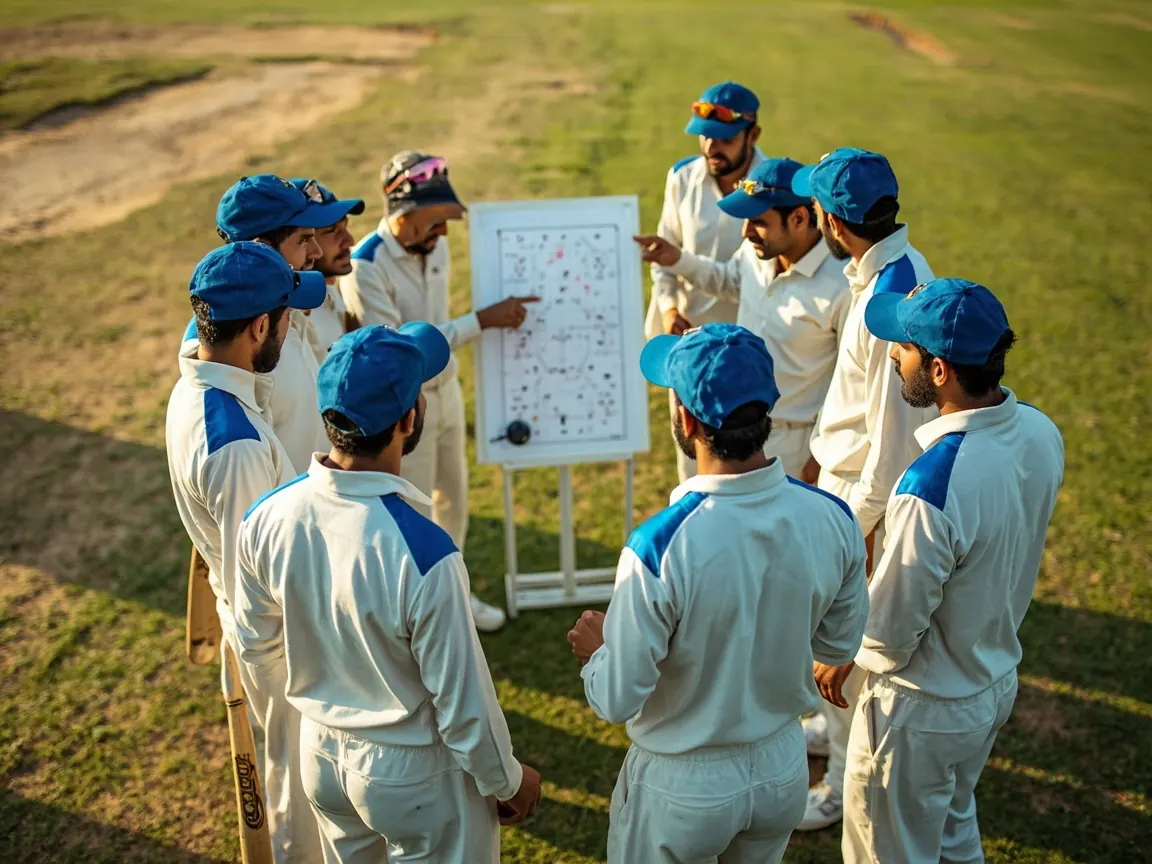
Captain Rishabh Pant · Vice-captain David Warner · Pace-deep · Coach Ricky Ponting.
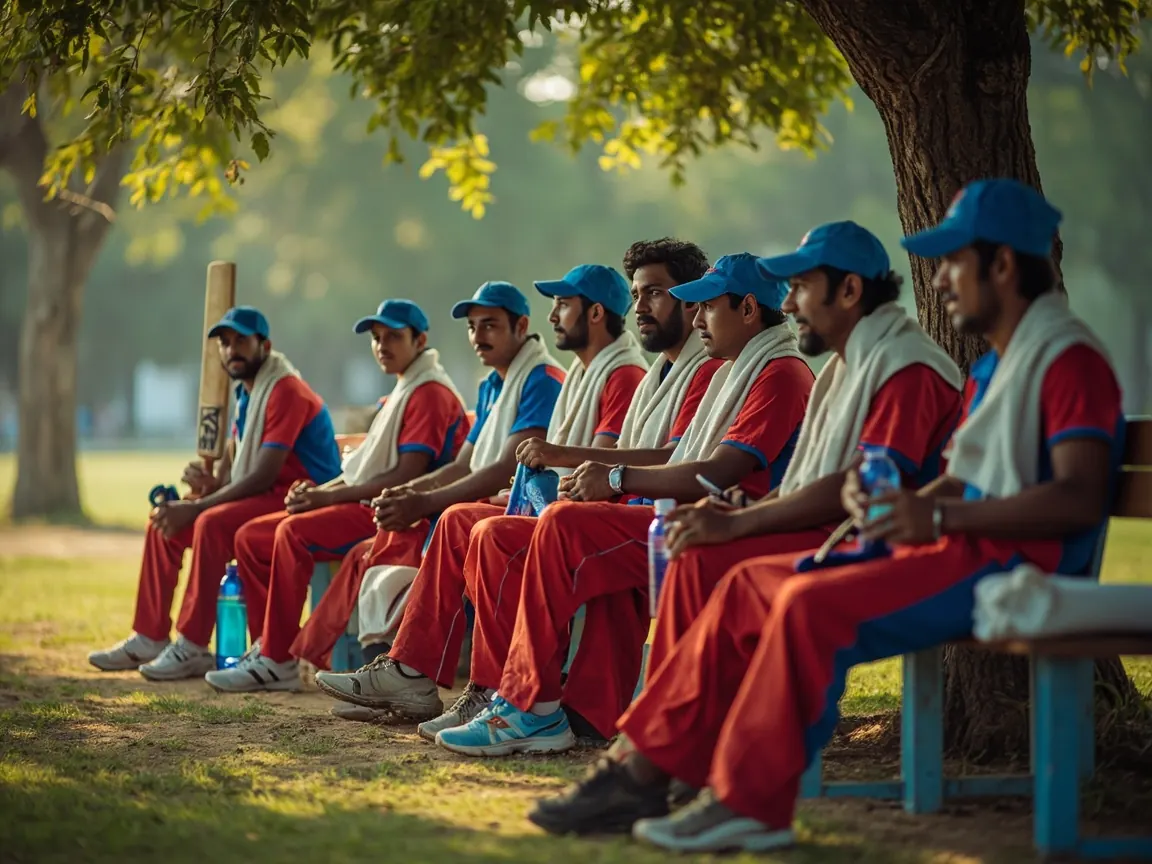
Captain KL Rahul · Vice-captain Marcus Stoinis · Balanced XI · Coach Justin Langer.
Captain Shubman Gill · Vice-captain Rashid Khan · Spin-led · Coach Ashish Nehra.
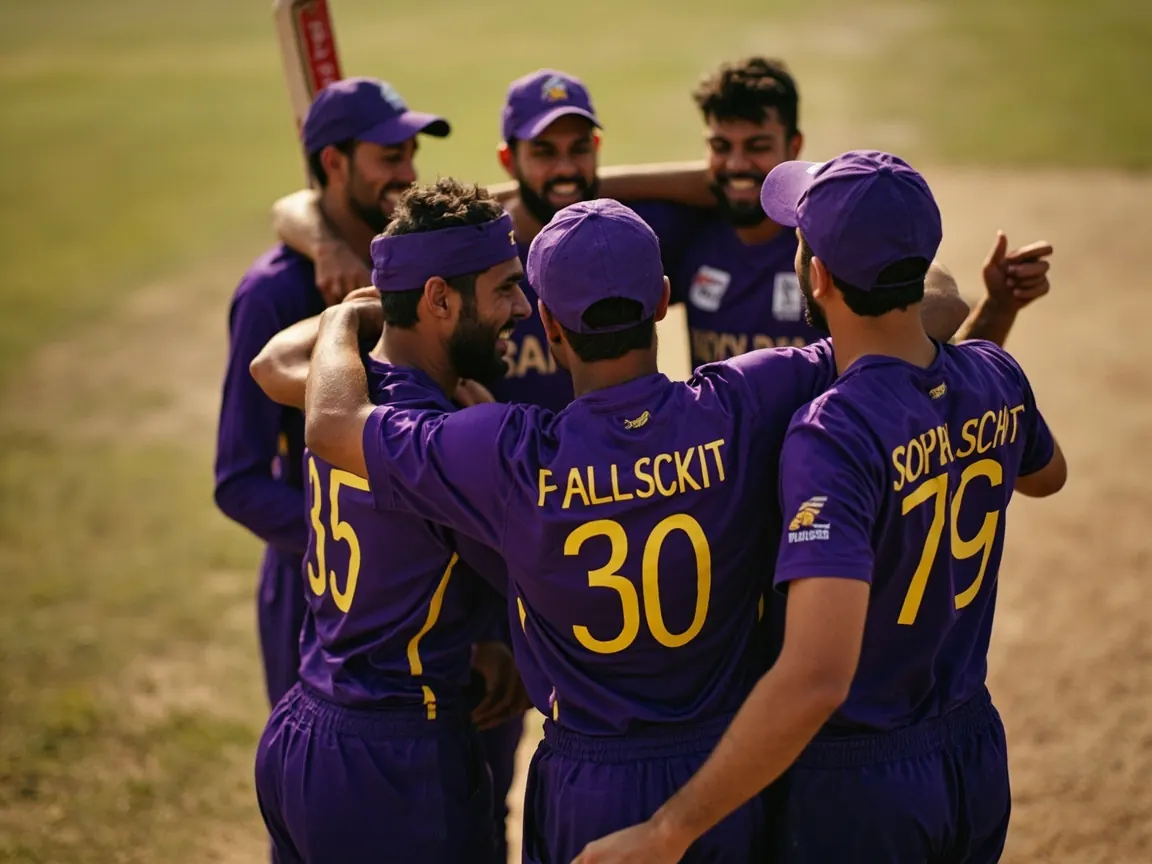
The desk's franchise form book is a four-row read: the captaincy watch, the Indian/overseas split, the injury list, and the recent results. The captaincy watch is a directional band - in-form, form watch, or injury watch - because the captaincy watch is a sample-based read, not a single precision number. The Indian/overseas split is the squad's composition, with the playing XI's split named explicitly because the overseas-rotation rule is the most common leak in the reader's contest entry. The injury list is the squad's active injury watch, with the suspected return window labelled as a window, not a date. The recent results are the last six innings, with the venue labelled.
The captaincy watch is the most important row. The captaincy pick is the most leveraged contest slot. The captaincy watch is the desk's reading of the captain's form book, the captain's injury status, and the captain's last-six-innings strike rate. The captaincy watch is a directional band because the pick is a sample of fifty matches per window, and the band is what the desk can defend with a named source. The single precision number is a wallpapering of the underlying uncertainty, and the desk does not author the wallpapering.
The Indian/overseas split is the second most important row. The split is the rule that decides whether the squad can rotate the overseas players within the contest window. The split is published, not invented. The split is the rule that makes the captain pick resilient to the overseas-rotation slippage. The reader who reads the split and the captaincy watch together has a better picture of the contest entry than the reader who reads the captaincy watch alone.
The injury list is the third most important row. The injury list is the rule that flips the captain pick. The injury list is published, not invented. The injury list is the rule that makes the contest entry resilient to the injury slippage. The reader who reads the injury list and the captaincy watch together has a better picture of the contest entry than the reader who reads the captaincy watch alone.
The recent results row is the last six innings, with the venue labelled. The recent results row is the desk's source for the captaincy watch band. The recent results row is the desk's source for the Indian/overseas split band. The recent results row is the desk's source for the injury list band. The recent results row is the desk's source for the editor's confidence interval. The recent results row is the desk's source - the row is the data, the bands are the summary.
The recent results row is sourced from the official franchise pages and the BCCI / iplt20.com published schedule. The row is checked against the partner platform's published result log. The row is not a wallpapering of the desk's confidence. The row is the data.
The desk does not publish a "famous players" listicle, a "team bios" page, or a "franchise history" essay. The desk does not publish a "team ranking" that the desk cannot defend with a named source. The desk does not publish a "team news" feed that the desk cannot source. The desk's discipline is the boundary of the desk's editorial scope. The boundary is what lets the desk's reading be trusted. The boundary is what lets the desk's reading be paid for - not by the reader, but by the labour of the desk's editorial team.
The captaincy watch band is a directional band - in-form, form watch, or injury watch. The band is the desk's reading of the captain's last six innings, the captain's injury status, and the captain's role-specific strike rate. The band is not a single precision number. The band is what the desk can defend with a named source. The band is the desk's contract with the reader.
The in-form band is the captain whose last six innings are clean and whose role-specific strike rate is the highest in the squad. The in-form band is the captain pick for the contest entry. The in-form band is the pick that the desk can defend with the named source. The in-form band is the pick that wins the contest when the contest entry is in the middle of the leaderboard and the captain pick is the swing.
The form-watch band is the captain whose last six innings are mixed and whose role-specific strike rate is the second-highest in the squad. The form-watch band is the captain pick for the contest entry when the contest rules cap exposure. The form-watch band is the pick that the desk can defend with the named source. The form-watch band is the pick that wins the contest when the contest entry is in the middle of the leaderboard and the captain pick is the swing.
The injury-watch band is the captain whose injury status is active and whose role-specific strike rate is the highest in the squad on the available players. The injury-watch band is the captain pick for the contest entry when the lineup is not yet confirmed. The injury-watch band is the pick that the desk can defend with the named source. The injury-watch band is the pick that wins the contest when the contest entry is in the middle of the leaderboard and the captain pick is the swing.
The Indian/overseas split is the squad's composition, with the playing XI's split named explicitly. The split is the rule that decides whether the squad can rotate the overseas players within the contest window. The split is what the desk can defend with the named source. The split is the desk's contract with the reader.
The split is the desk's reading of the squad. The split is published, not invented. The split is the rule that makes the contest entry resilient to the overseas-rotation slippage. The reader who reads the split and the captain pick together has a better picture of the contest entry than the reader who reads the captain pick alone.
The squad update is the news item that the fantasy-impact angle is most useful for. The squad update is the rule that flips the captain pick. The squad update is the rule that makes the contest entry resilient to the lineup slippage. The reader who reads the squad update and the captain pick together has a better picture of the contest entry than the reader who reads the captain pick alone.
The squad update is sourced from the official franchise pages and the BCCI / iplt20.com published schedule. The squad update is checked against the partner platform's published squad log. The squad update is not a wallpapering of the desk's confidence. The squad update is the data.
The rotation rule is the rule that decides which of the overseas players is in the playing XI. The rotation rule is the rule that decides whether the squad can rotate the overseas players within the contest window. The rotation rule is published, not invented. The rotation rule is the rule that makes the contest entry resilient to the overseas-rotation slippage. The reader who reads the rotation rule and the captain pick together has a better picture of the contest entry than the reader who reads the captain pick alone.
The rotation rule is the desk's wall against the false precision. The rotation rule is the part of the pick card that names the source. The rotation rule is the desk's reading of the story. The rotation rule is what the desk can defend with a named source.
On 22 August 2026, four days after the first India-Sri Lanka Test finished at Galle International Stadium, Cheteshwar Pujara publicly told 24-year-old left-arm spinner Manav Suthar not to flatten his flighted Test style for the IPL. The brief every spin department has to write before the retention window: how the Test-skill-vs-T20-instinct choice is settled inside the Ashwin succession race, what a 17-wicket Test start earns in the auction room, and which home surface and field-setting habit the flighted ball asks a franchise to commit to.
Follow the news feed:
The chips are sourced from BCCI / iplt20.com and the official franchise pages. We label the source in the chips below each card.
Captaincy watch is a directional band, not a single number. The desk labels an in-form captain when the form book is clean and the squad is fit.
Players on the injury list are flagged as "injury watch" on the squad card. The desk does not speculate on return dates.
Start with availability and likely roles, then compare the captaincy watch and conditions fit. The image caption identifies the specific squad or venue context shown.