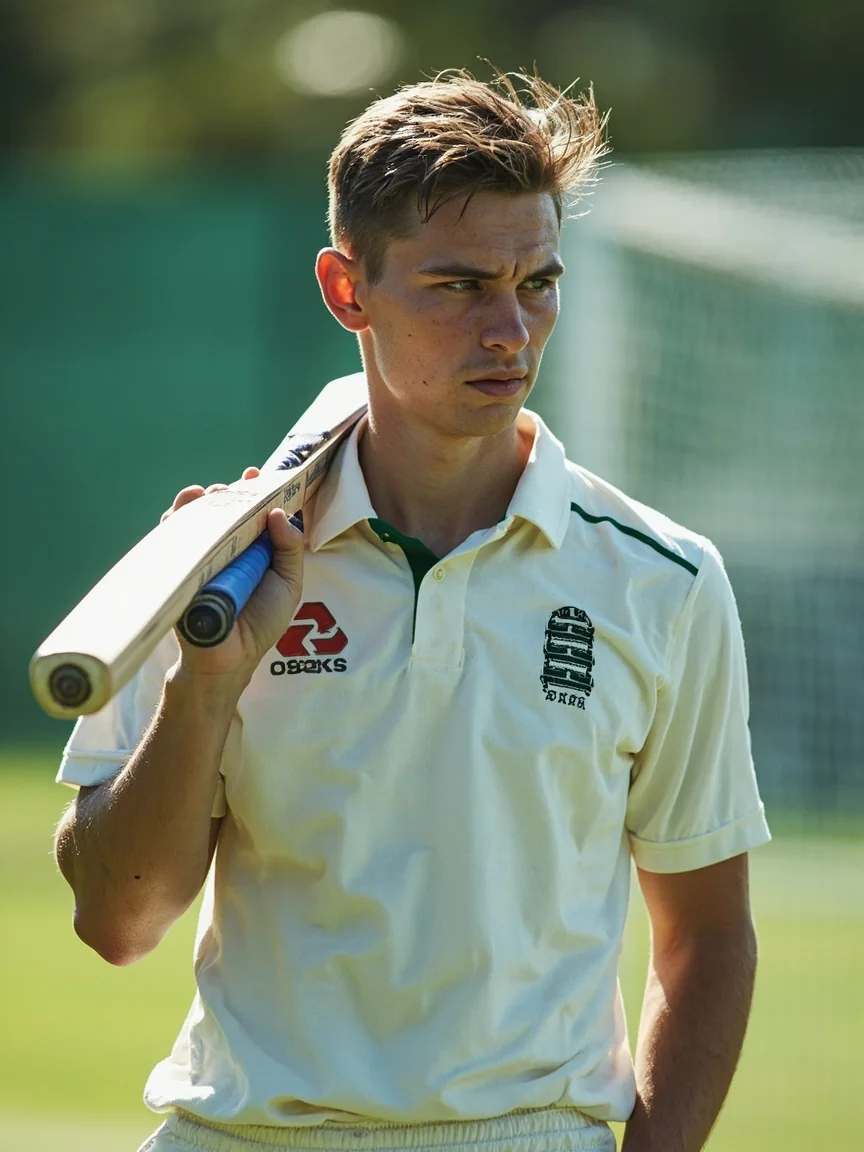
Captain band
Star opener A
Floor 35, ceiling 80. Ownership band mid (15–30%). Pick as captain when the team is chasing on a dewy surface.
C>7crMid own
Every player card names the captain-or-vice pick, the value bracket (≤4cr / 4–7cr / >7cr), and the ownership band (low / mid / high). No buried prose.
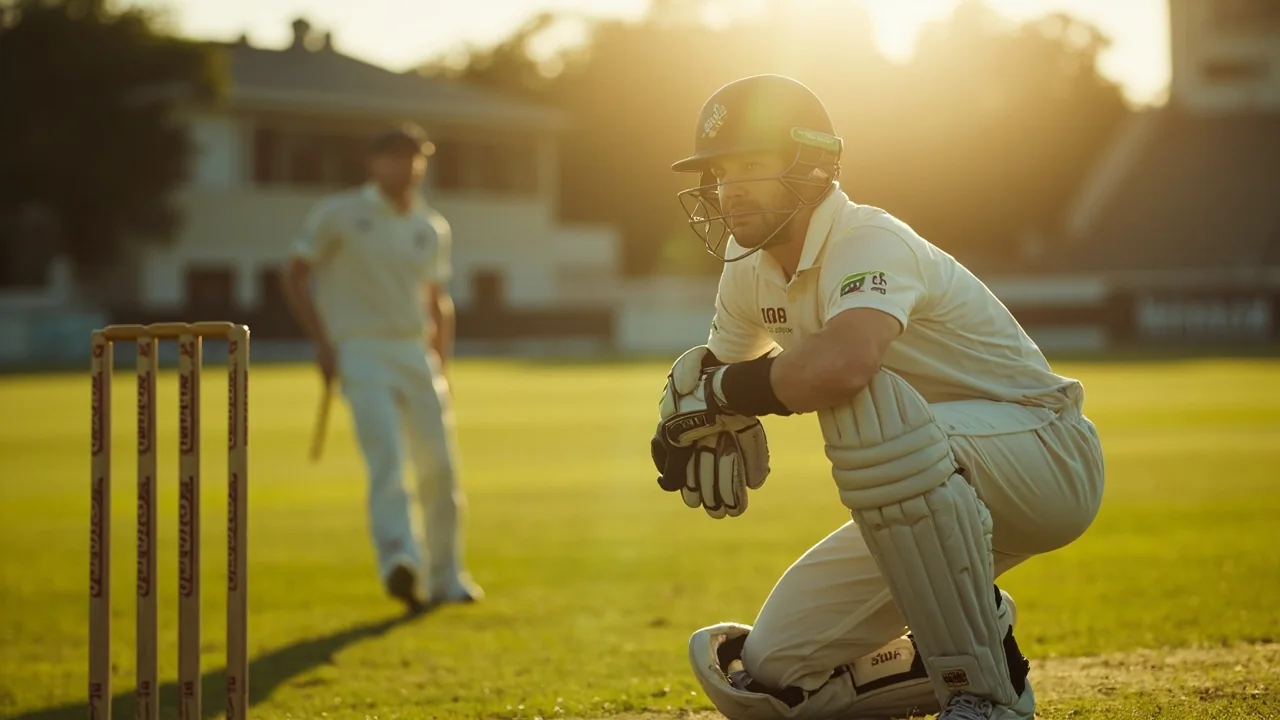
Floor 35, ceiling 80. Ownership band mid (15–30%). Pick as captain when the team is chasing on a dewy surface.

Floor 30, ceiling 70. Ownership band mid. Pick as captain on flat Wankhede-style surfaces.

Floor 28, ceiling 60. Ownership band mid. Pick as captain in slow-burn run chases.

Floor 30, ceiling 75. Ownership band mid (15–30%). Pick as VC when the contest rules cap exposure.

Floor 28, ceiling 60. Ownership band mid. Pick as VC on Eden-style turning tracks.

Floor 22, ceiling 65. Ownership band low. Pick as VC when the death-overs math matters.
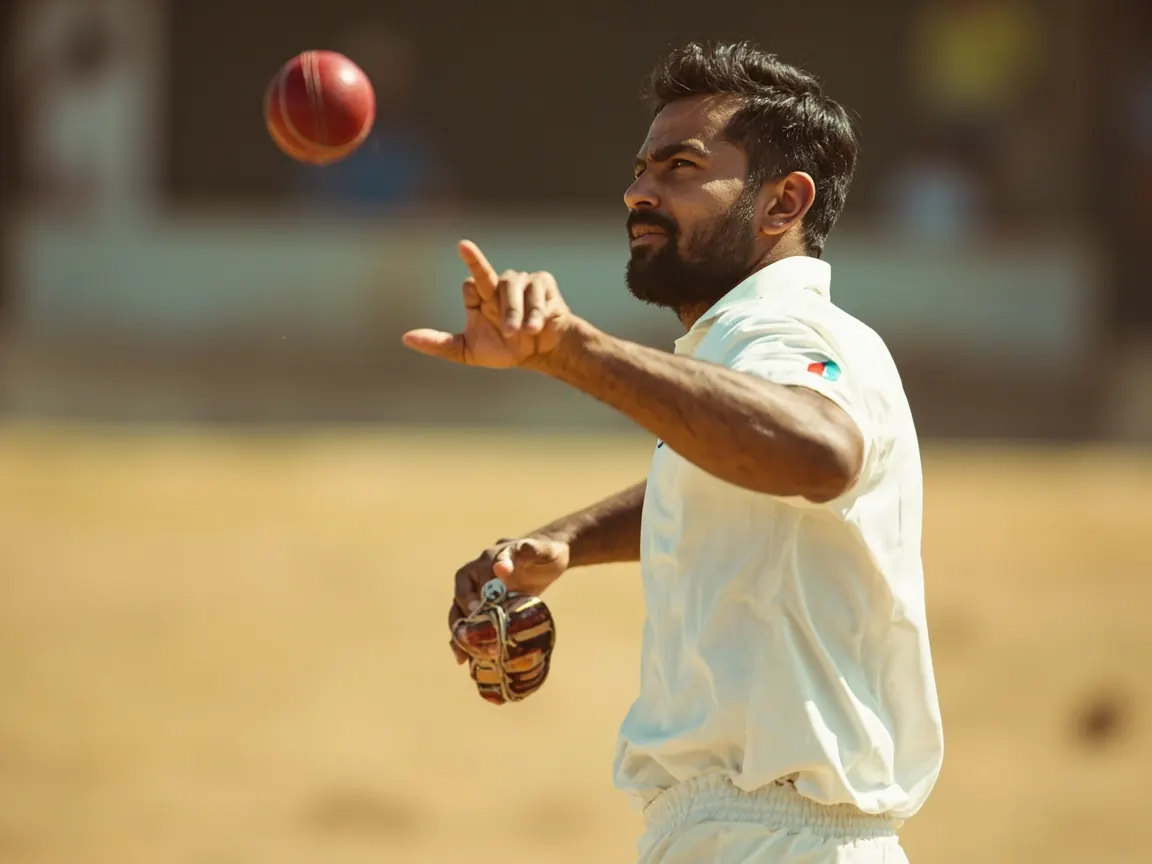
Floor 18, ceiling 55. Ownership band low (under 10%). Pick when stakes are fractional and exposure is uncapped.
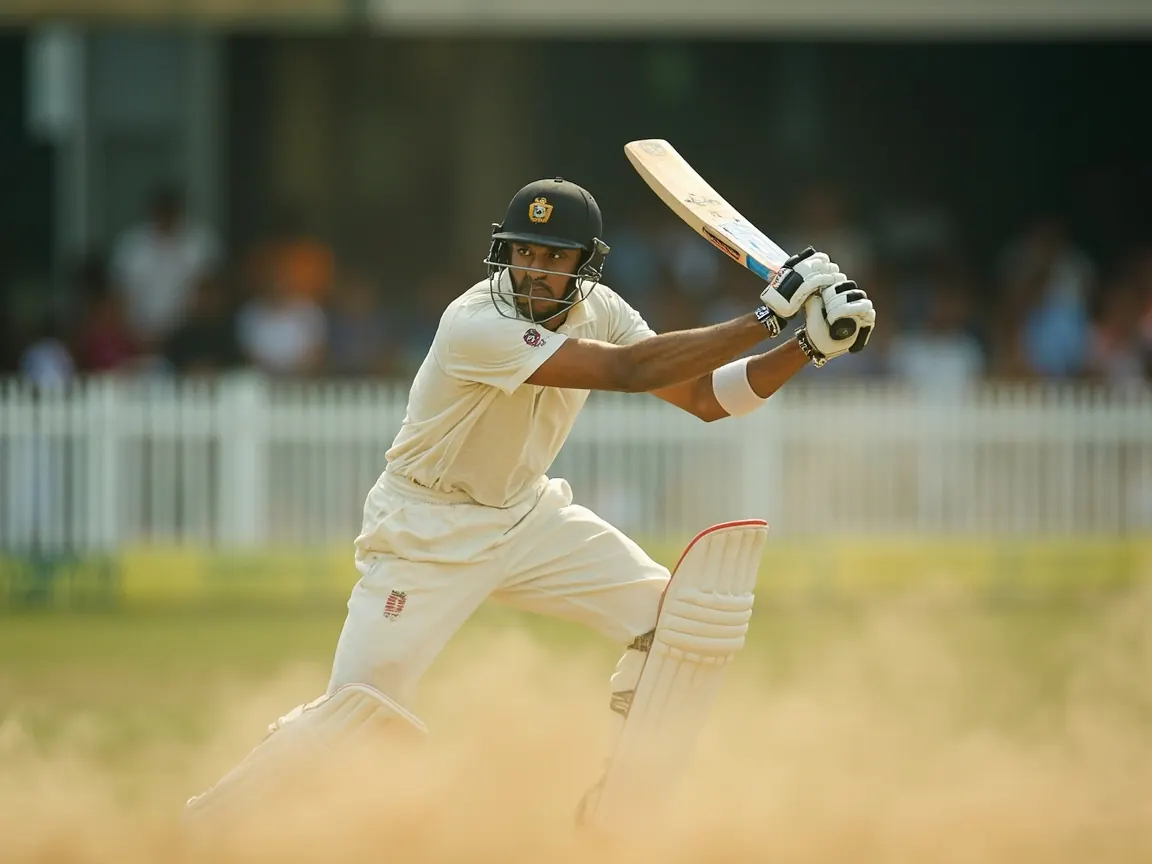
Floor 12, ceiling 50. Ownership band low. Pick when the death-overs matchup is right.
Floor 15, ceiling 45. Ownership band low. Pick when the team bowls first on a gripping surface.
Five shifts on the IPL 2026 player shortlist quietly decide the fantasy contest: a three-to-four-innings form window, an injury slate that resets the captain band, batting-order shuffles in the powerplay, bowling-role clarity from the death plan, and the captain / vice-captain multiplier that swings a leaderboard. Hypothetical examples only.
The desk's player shortlist is a three-row read: the role (captain, vice-captain, or differential), the value bracket (≤4cr / 4–7cr / >7cr), and the ownership band (low / mid / high). The three rows are the desk's contract with the reader: the three rows are the data the reader needs to build a contest entry that survives the toss slippage. The desk's player shortlist is a labelled reading, not a marketing pitch.
The role row is the most important row. The role is the desk's reading of the player's leveraged slot in the contest. The captain role is the highest-leverage slot. The vice-captain role is the second-highest-leverage slot. The differential role is the lowest-leverage slot, opted into only when the contest rules cap exposure. The role is a band, not a single number. The role is what the desk can defend with a named source.
The value bracket is the second most important row. The value bracket is the platform's published salary band. The value bracket is the rule that decides whether the player fits into the salary cap. The value bracket is published, not invented. The value bracket is the rule that makes the contest entry resilient to the salary-cap slippage. The reader who reads the value bracket and the role together has a better picture of the contest entry than the reader who reads the role alone.
The ownership band is the third most important row. The ownership band is the desk's reading of the player's selection rate on the platform. The ownership band is a directional band - low (under 10%), mid (15–30%), high (over 30%) - because the desk does not author the platform's ownership data. The ownership band is the rule that makes the differential pick legible. The reader who reads the ownership band and the role together has a better picture of the contest entry than the reader who reads the role alone.
The desk publishes three shortlists - the captain-band shortlist, the all-rounder shortlist, and the differential shortlist - because the right pick depends on the contest rules. The captain-band shortlist is for the reader who is playing a large contest with a single entry. The all-rounder shortlist is for the reader who is playing a multi-entry contest. The differential shortlist is for the reader who is playing an exposure-capped contest. The three shortlists are the desk's reading of the contest-entry levers.
The three shortlists are not a "best players" listicle. The three shortlists are a labelled reading. The reader who reads the three shortlists and the contest rules together has a fuller picture than the reader who reads the three shortlists alone. The reader who reads the three shortlists without reading the contest rules has been mis-served by the desk, and the desk's editorial rule is to make the desk's reading cheaper than the workaround.
The desk does not publish a "top 100 players" listicle, a "best captain picks" listicle, or a "differential picks" listicle. The desk does not publish a "player rankings" column that the desk cannot defend with a named source. The desk does not publish a "player news" feed that the desk cannot source. The desk's discipline is the boundary of the desk's editorial scope. The boundary is what lets the desk's reading be trusted. The boundary is what lets the desk's reading be paid for - not by the reader, but by the labour of the desk's editorial team.
The captain-band pick is the pick whose downside is the smallest. The captain gets 2× points, so the captain pick is the single most leveraged slot in the contest entry. The captain pick is the highest-floor pick - the pick whose performance is the most predictable in the conditions. The captain pick is the desk's reading of the pick. The captain pick is what the desk can defend with a named source.
The captain-band pick is not a "best player" pick. The captain-band pick is a "best leverage" pick. The captain-band pick is the pick where the captain multiplier is the most leveraged for the contest entry - the pick where the downside is the smallest and the upside is the most predictable. The captain-band pick is the desk's reading of the contest-entry levers. The captain-band pick is the desk's contract with the reader.
The vice-captain band is the pick whose ceiling is the highest among the floor-protected picks. The vice-captain gets 1.5× points, so the vice-captain pick is the second-highest-leveraged slot. The vice-captain pick is the highest-ceiling pick among the floor-protected picks - the pick whose performance is the most legitimate in the conditions. The vice-captain pick is the desk's reading of the contest-entry levers. The vice-captain pick is the desk's contract with the reader.
The vice-captain band is the pick that the desk can defend with the named source. The vice-captain band is the pick that wins the contest when the contest entry is in the middle of the leaderboard and the vice-captain pick is the swing.
The differential band is the pick whose ownership is the lowest and whose ceiling is the highest among the unowned options. The differential band is opted into only when the contest rules cap exposure. The differential pick is the pick whose performance is the most leveraged for the contest entry - the pick where the ownership gap is the highest and the upside is the most legitimate. The differential pick is the desk's reading of the contest-entry levers. The differential pick is the desk's contract with the reader.
The differential band is the pick that the desk can defend with the named source. The differential band is the pick that wins the contest when the contest entry is in the middle of the leaderboard and the differential pick is the swing. The differential band is the desk's discipline.
The role walk is the second pass through the player shortlist. The role walk is the rule that decides which of the contest rules applies - the captain pick, the vice-captain pick, the differential pick, the bench pick. The role walk is the desk's reading of the role. The role walk is what the desk can defend with a named source.
The role walk is the desk's wall against the false precision. The role walk is the part of the pick card that names the source. The role walk is the desk's reading of the story. The role walk is what the desk can defend with a named source.
The value bracket is the platform's published salary band. The value bracket is the rule that decides whether the player fits into the salary cap. The value bracket is published, not invented. The value bracket is the rule that makes the contest entry resilient to the salary-cap slippage. The reader who reads the value bracket and the contest rules together has a better picture of the contest entry than the reader who reads the role alone.
The value bracket is the desk's wall against the false precision. The value bracket is the part of the pick card that names the source. The value bracket is the desk's reading of the story. The value bracket is what the desk can defend with a named source.
The ownership band is the desk's reading of the player's selection rate on the platform. The ownership band is a directional band - low (under 10%), mid (15–30%), high (over 30%) - because the desk does not author the platform's ownership data. The ownership band is the rule that makes the differential pick legible. The reader who reads the ownership band and the role together has a better picture of the contest entry than the reader who reads the role alone.
The ownership band is the desk's wall against the false precision. The ownership band is the part of the pick card that names the source. The ownership band is the desk's reading of the story. The ownership band is what the desk can defend with a named source.
Value brackets are the platform's published salary bands. We label them as ≤4cr, 4–7cr, or >7cr. Always check the platform's published salary cap.
An editorial band (low / mid / high) based on desk reads, not a single precision number. The desk does not publish ownership percentages.
Because the right pick depends on the contest rules. Captain-band picks suit large contests; differential picks suit exposure-capped contests.
Recheck after the toss and confirmed XI. A role change, injury update, or substitute call can move a player out of the shortlist even when recent form is strong.