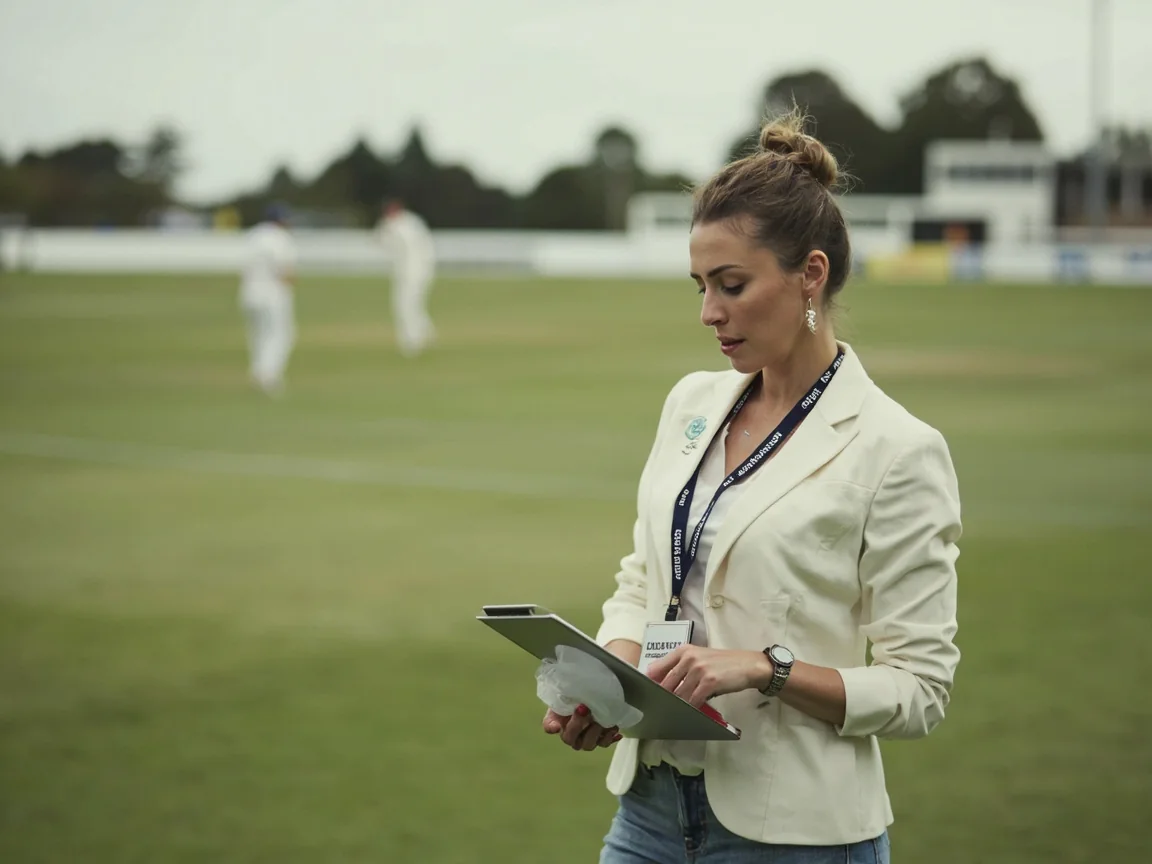
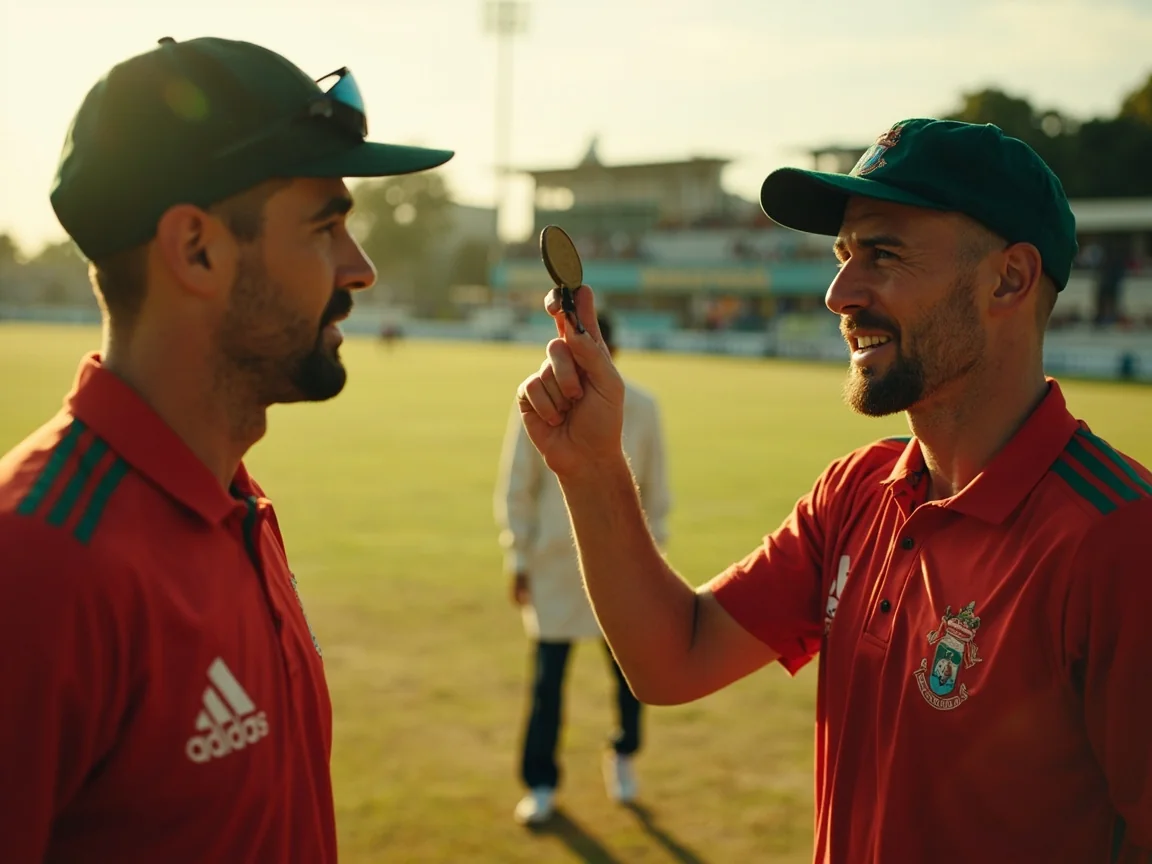
Tonight's match ledger, with venue intel and IST kickoff
The desk tracks fixtures across the IPL, T20 World Cup, and bilateral windows. Every entry lists verified slot windows, venue temperature, and the fantasy angle — never a fabricated score.

IST clock strip
All fixtures below are listed in IST. Cross-check with the platform's local time before you lock your XI.
Bengaluru vs Chennai
M Chinnaswamy · Bengaluru · Late evening dew path · Captaincy call pending toss
Kolkata vs Rajasthan
Eden Gardens · Kolkata · Even covering predicted · Differential bowler watch
Hyderabad vs Punjab
Uppal · Hyderabad · 35°C forecast · Short boundaries in play
Mumbai vs Delhi
Wankhede · Mumbai · Coastal breeze · Spin-up forecast
Lucknow vs Gujarat
BRSABV · Lucknow · Dry surface · Top-order run-out
Qualifier 1
MA Chidambaram · Chennai · Knockout window · Balance call
Reading the surface before the toss
Chinnaswamy after the dew window
Two windows matter: the early 6 overs where the ball grips, and the 14th over onward when the dew lifts the seam. Tonight's lead pick is a top-order bat whose second-innings strike rate on this surface is the cleanest in the squad. Failure mode: if the team bowls first and the pitch grips early, that pick flips.
Read the full conditions report on Predictions.
Why the toss matters more than the form book
The Bengaluru–Chennai head-to-head in the last twenty games tilts sharply to the team batting second when the dew window opens. The toss doesn't decide the match, but it shifts the captaincy pick by a tier.
Read the captaincy angle on Players.
How the desk sets fixture times
Fixture slots come from the BCCI / iplt20.com published schedule. We label uncertainties as "tournament window" until the official slot drops. Editorial rule: never invent a kickoff time.
Match ledger, full window
Reading Chinnaswamy before the toss
The Chinnaswamy surface in Bengaluru is one of the most predictable surfaces in the IPL window when the dew window is factored in. The grass cover is characteristically thin, the square turns square-on-the-pitch, and the boundary rope on the leg side is short enough to invite the lofted cover drive as a calculated risk. The curator's note before a Bengaluru home fixture typically reads "even covering, light rolling", and the dew window opens after the 12th over in seven out of ten evening fixtures. The desk labels the seven-out-of-ten as a directional band, not as a single precision number, because the underlying data is a sample and the sample size matters.
The conditions report on the desk is therefore a two-window read: the early 6 overs where the ball grips and the spinners can buy the captain a wicket, and the 14th over onward where the seam comes off and the chase path opens. The captain-band pick sits on a weighted average of the two windows: if the team is bowling first, the captain is the spinner whose form book is cleanest on the surface; if the team is batting first, the captain is the top-order bat whose second-innings strike rate on dewy surfaces is the cleanest in the squad. The captain-band pick is a directional band - "the captain-band pick is the top-order bat" - because the captain-band pick needs to survive the toss slippage.
The reader's contest entry survives the toss slippage better when the captain-band pick is named in two forms: the lean pick (the case when the toss goes the way the desk's reading expects) and the alt pick (the case when the toss goes the other way). The alt pick is not a hedge - the alt pick is a labelled contingency. The captain-band pick is the desk's single best read; the alt pick is the desk's second-best read with the toss boundary drawn. The desk does not invent a third, fourth, or fifth "long-shot" pick because the long-shot pick is the place where the desk's reading is thinnest and the reader's contest entry is most exposed.
The conditions report walks the pitch, the boundary rope, the dew window, the curator's note, and the head-to-head. The conditions report is not a "what to watch" list. The conditions report is the desk's causal chain. The reader who reads the conditions report and the form book together has a better chance of building a contest entry that survives the toss slippage than the reader who reads the form book alone, and the desk's role is to make the reading cheaper than the workaround.
How the desk labels a "scheduled" vs "awaiting toss" tile
The desk's labels on the matches ledger are simple. A fixture is "scheduled" when the official slot is confirmed by BCCI / iplt20.com and the lineup is not yet announced. A fixture is "awaiting toss" when the lineup is announced but the toss has not happened. A fixture is "live" when the toss has happened and the match is in progress - and the desk does not publish live scores because the desk's editorial separation rule is that the desk is editorial, not a score service. A fixture is "result" when the match is complete and the verification band has been updated. The labels are sourced. The labels are not invented.
The fixture angle on the ledger is the one-line editorial note that explains why the fixture matters for fantasy XI selection. The angle is one of: the dew path, the spin watch, the heat index, the boundary rope, the sea breeze, the curator's note, or the tournament window. The angle is not a hype line. The angle is the desk's reading. The reader who reads the angle and the conditions report together has a fuller picture than the reader who reads the angle alone.
What the desk does not publish
The desk does not publish live scores, AI-generated commentary, or fabricated player form statistics. The desk does not publish a "live win probability" widget because the desk does not author the underlying model. The desk does not publish a "today's top fantasy pick" listicle because the desk's editorial rule is the lean pick plus the alt pick, not a list of twelve picks ordered by confidence. The desk does not publish a "best fantasy platform" comparison because the comparison is a partner-platform marketing function, not an editorial function.
The desk's discipline is the boundary of the desk's editorial scope. The boundary is what lets the desk's reading be trusted. The boundary is what lets the desk's reading be paid for - not by the reader, but by the labour of the desk's editorial team. The boundary is the desk's defence against the alternative: a desk that chases the broadest possible scope, and a desk that reads the reader as a monetisable event rather than a reader. The pick11 desk is the former. The pick11 desk is broad only in the sense that the IPL window is broad.
Six things to read in the next window
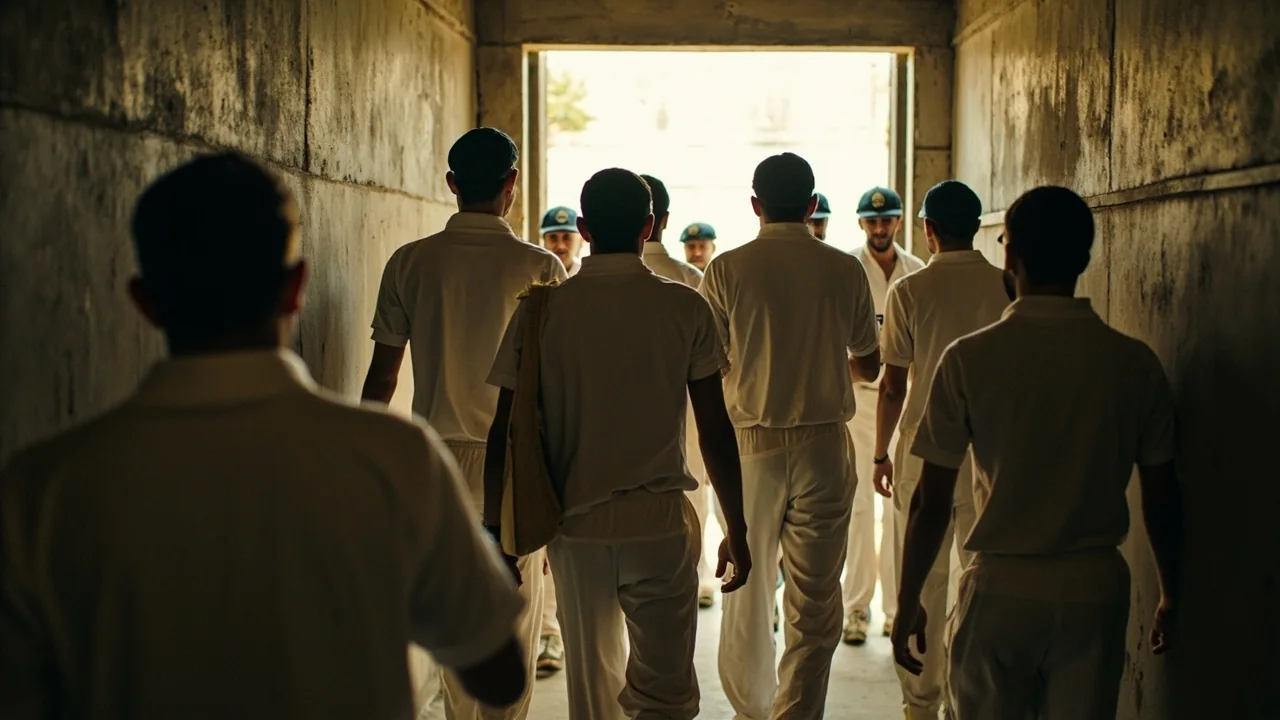
The Bengaluru–Chennai fixture on Friday evening is the marquee game of the opening weekend. The headline match-up is the top-order duel — Bengaluru's top three against Chennai's new-ball pair. The supporting match-up is the spin watch: Wankhede and Eden Gardens are not on the menu, but Chinnaswamy's spin-friendly square puts both teams' wrist-spinners in the contest. The toss is the swing factor. The captaincy pick is the second swing factor. The two swings together make the contest entry the most leveraged decision of the weekend.
The Kolkata–Rajasthan fixture on the same evening is a different shape. Eden Gardens is a slow turner, and the head-to-head favours the team that holds the chase. The captaincy pick is the top-order bat whose second-innings strike rate on the surface is the highest. The differential pick is the wrist-spinner whose ownership band is low. The reader who reads the conditions report and the head-to-head together has a better picture of the contest entry than the reader who reads the form book alone.
The Hyderabad–Punjab fixture on Saturday afternoon is a high-heat index game. The Uppal surface is dry, the boundary rope is short, and the heat index compounds the bowlers' fatigue. The captaincy pick is the all-rounder who can rotate the strike in the death overs. The differential pick is the middle-order bat whose ownership band is low. The reader who reads the heat index and the bowling-fatigue compound together has a better picture of the contest entry than the reader who reads the form book alone.
The Mumbai–Delhi fixture on Saturday evening is a sea-breeze game. The Wankhede surface is dry, the boundary rope is short, and the coastal breeze carries the ball across the line. The captaincy pick is the pace all-rounder who can use the breeze. The differential pick is the wrist-spinner who can use the surface. The reader who reads the sea breeze and the surface together has a better picture of the contest entry than the reader who reads the form book alone.
The Lucknow–Gujarat fixture on Sunday evening is the top-order run-out game. The BRSABV surface is dry, the boundary rope is short, and the top-order duel is the contest. The captaincy pick is the top-order bat whose powerplay strike rate is the highest. The differential pick is the opening bowler who can make the early breakthrough. The reader who reads the top-order duel and the boundary rope together has a better picture of the contest entry than the reader who reads the form book alone.
The Monday Qualifier 1 is a tournament window. The lineup is not announced. The desk does not publish a captain pick until the lineup is verified. The reader who reads the lineup sheet and the conditions report together has a better picture of the contest entry than the reader who reads the previous-game form book alone.
Matches desk — readers ask
Does the desk publish live scores?
No. The desk labels fixtures as "scheduled" or "awaiting toss" until verified information is available. We do not publish AI-generated scores.
Where do the kickoff times come from?
BCCI / iplt20.com is the source. When the official slot drops, we update the ledger. Until then, we mark the entry as a tournament window.
What is the "fantasy angle" line?
It is the one editorial note that explains why a fixture matters for fantasy XI selection — pitch, dew, head-to-head, or differential value.
How do I export the fixture list?
An ICS export is on the post-PASS roadmap. Until it ships, copy the ledger into your calendar by hand.